AI Answering Service vs Traditional Answering Services: What SMBs Should Compare
Human answering services still have a place. Here is how to compare them with AI voice agents on cost, consistency, after-hours coverage, and when you still want a person on the line.
For years, the default overflow plan for busy phones was a human answering service: message taking, basic routing, and a promise that someone would pick up. That model still works for some businesses, but the cost curve and caller expectations have shifted.
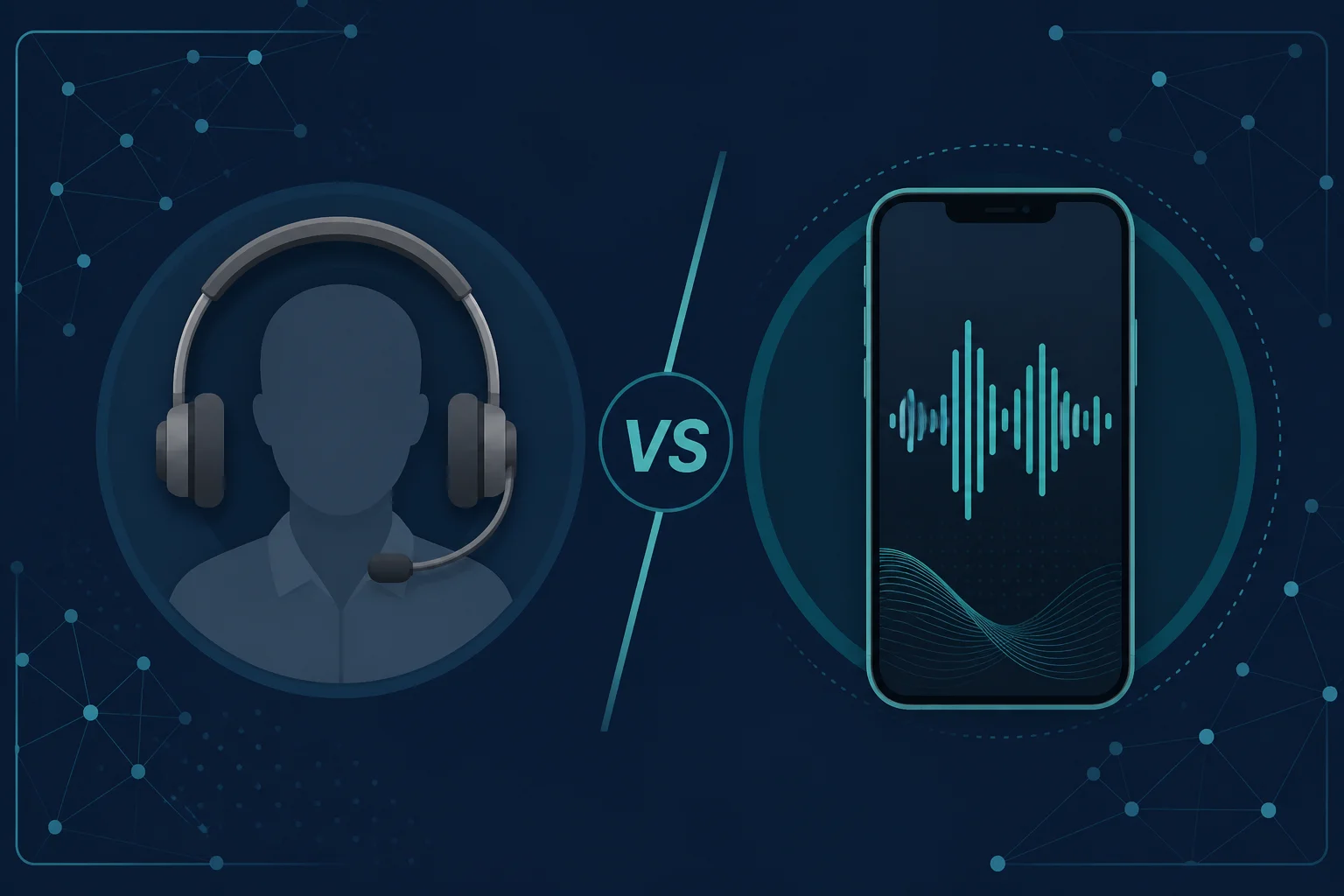
Traditional services shine when calls are unpredictable, emotionally charged, or require judgment that scripts cannot capture. AI voice agents shine when your call types are repeatable: booking, FAQs, lead capture, status checks, and after-hours triage with clear escalation rules.
On economics, AI usually wins at volume because concurrency does not require staffing another night shift. On brand experience, AI wins when you need identical greetings, CRM logging, and calendar booking every time. Humans still win when empathy and improvisation are the product.
The practical decision for most SMBs is hybrid: let AI handle first response and structured tasks, then transfer to a named human or on-call owner for exceptions. If your current answering service only leaves voicemail-style notes, you are already leaving booking revenue on the table.