Human Handoff Done Right: When Your AI Voice Agent Should Transfer the Call
Great voice AI knows its limits. Here is how to design warm transfers, escalation triggers, and context handoffs so callers never feel stuck in a loop.
Callers forgive automation that is fast and useful. They do not forgive automation that traps them. The difference is usually handoff design: when the agent transfers, how it explains the transfer, and what context the human receives.
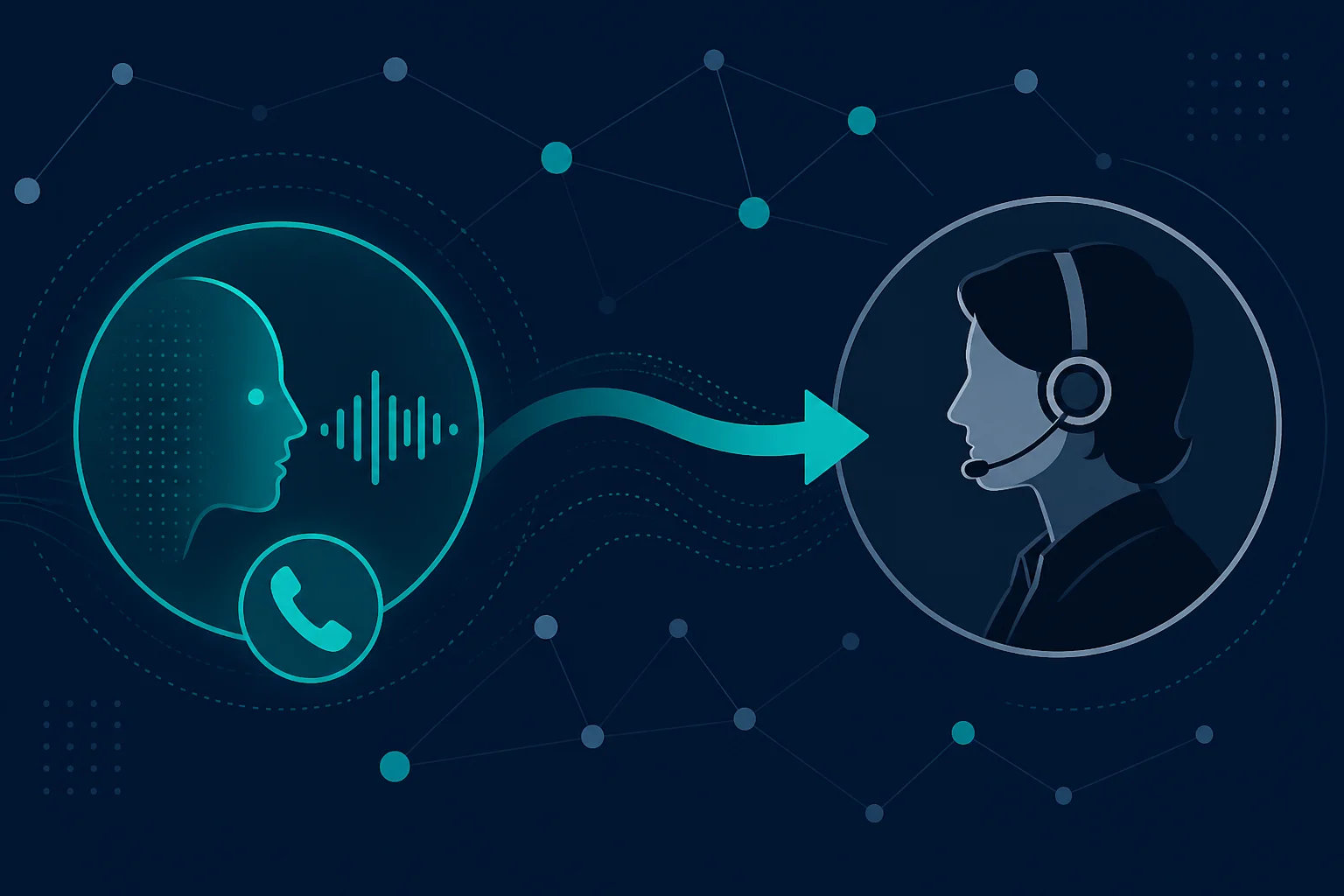
Define hard escalation triggers up front: caller frustration signals, payment disputes, medical or legal urgency, VIP accounts, or any intent your policies say must be human-only. Soft triggers include low confidence after two clarifications or requests the agent cannot fulfill in your systems.
A warm handoff introduces the human, shares a two-sentence summary (who called, what they need, what was already tried), and keeps the caller from restarting at zero. If no human is available, offer a scheduled callback with a confirmed window instead of endless hold music.
Review transfer transcripts weekly. High transfer rates are not always failure; unexplained transfers and repeat contacts are. Tune prompts so routine work stays automated and exceptions get people faster.